TERRACE HOUSE METALWORK DESIGN PRINCIPLES
Our work is guided by enduring design principles and a commitment to never compromise on quality. Each item is built to a standard, not a price—honouring the skill and attention to detail of the 19th-century foundries and blacksmiths who set the benchmark. With periodic maintenance, our replica work is designed to last well over a century, just as the originals have.
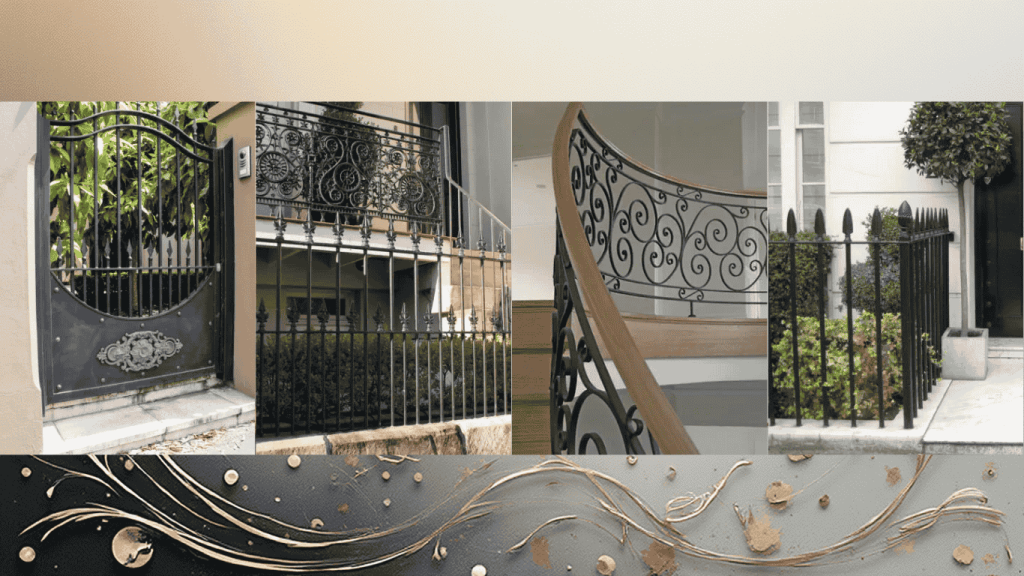
Victorian Terrace Houses are admired for their elegant cast lace balustrades, intricate frieze work, and classic palisade-style fences and gates. At JB Wrought Iron, we specialise in crafting high-quality replicas of these architectural features—pieces that are virtually indistinguishable from the originals.
Design Principles for Cast Lace Balustrades And Frieze work
1. Only Use Sand Cast Metal Lace Work
For those who value the enduring elegance of 19th-century ironwork, sand casting in cast iron, bronze, or aluminium remains the only method that faithfully reproduces the textured, weighty character of original heritage pieces. This traditional technique captures the intricate detail and substantial feel that define authentic Victorian-era metalwork.
While we offer true-to-period replicas in cast iron, we often recommend sand-cast aluminium for its many advantages. Visually and tactilely indistinguishable from cast iron, aluminium offers:
- Lower cost without compromising authenticity
- Exceptional durability in coastal and urban environments
- Ease of colour coating to match heritage palettes
- Virtually maintenance-free performance
We never use low-cost die-cast alternatives, as their overly smooth surfaces and thin profiles lack the depth and integrity of genuine castings—resulting in a finish that feels inauthentic and visually inferior.
2. Choose Designs That are Correct for the Location
In the 19th century, each Australian city and state developed its own distinctive ironwork styles, crafted by local foundries to suit regional tastes and architectural traditions. These designs were never intended to be interchangeable.
Using, for example, a Melbourne-style casting on a Sydney terrace disrupts the visual harmony and undermines the authenticity of the home’s heritage. Such mismatches are easily spotted by discerning eyes and are considered a design misstep.
At JB Wrought Iron, we specialise in helping homeowners identify the correct period-appropriate designs for their property. If a specific pattern is no longer available through existing foundries, we can arrange for a faithful reproduction—ensuring your restoration remains true to its original character.
3. Ensure Frieze Work and Balustrade Panels are Complimentary
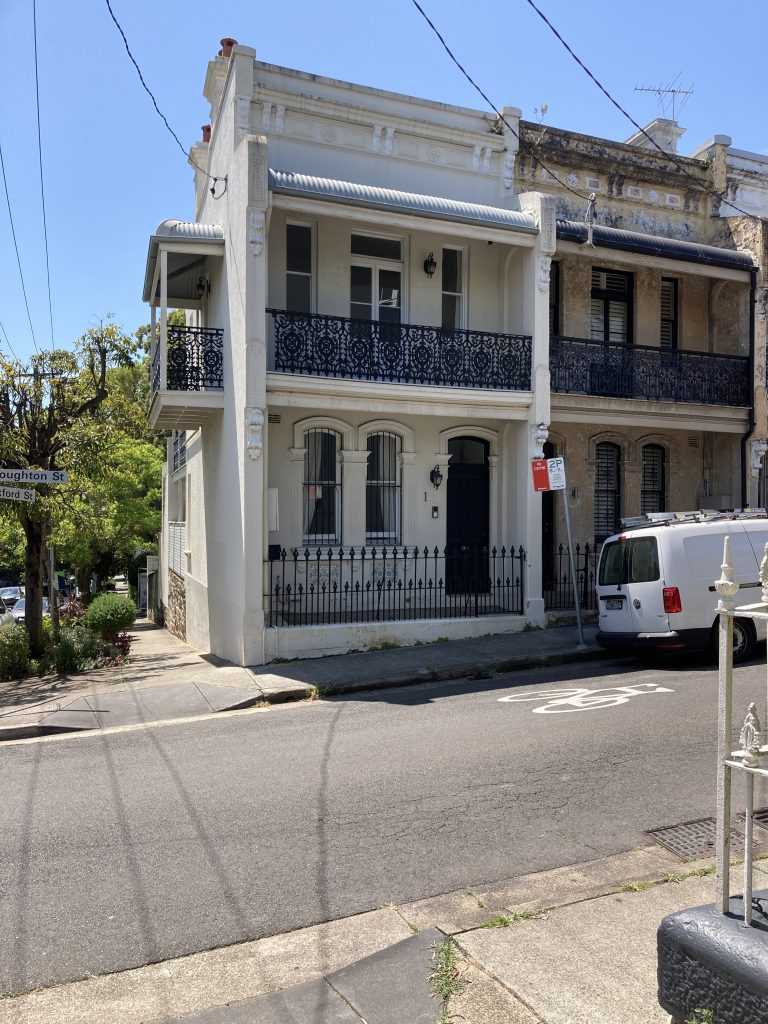
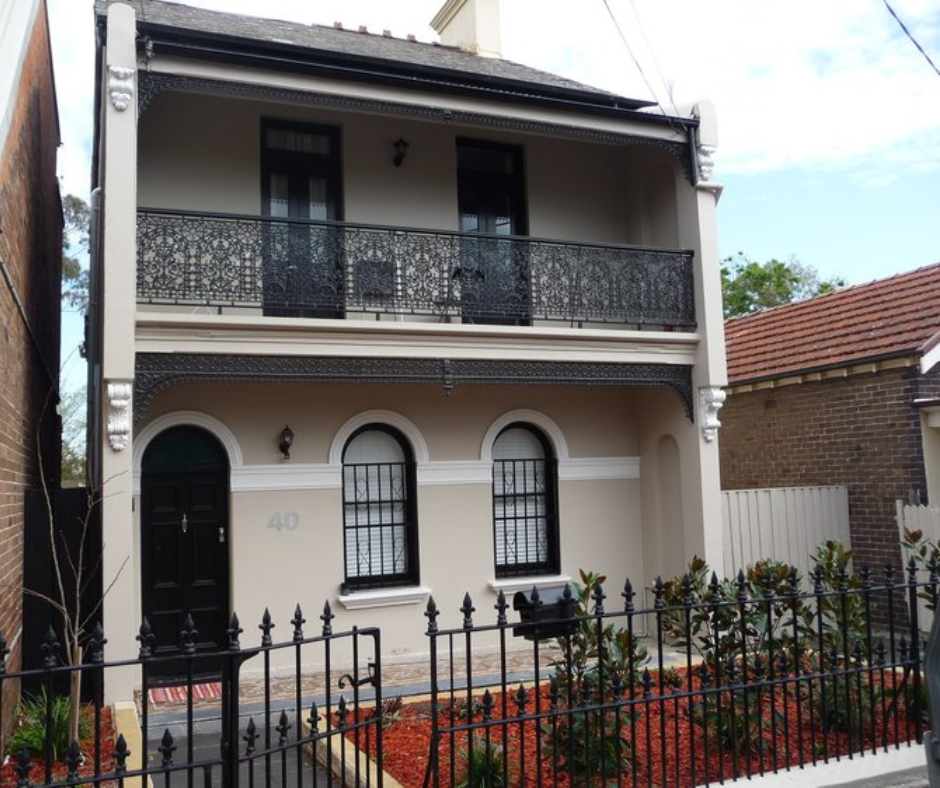
Many Victorian terraces feature decorative frieze panels beneath the roof beam and verandah floor beam—delicate lacework that adds rhythm and refinement to the façade. These panels come in a variety of designs, each contributing to the home’s architectural story.
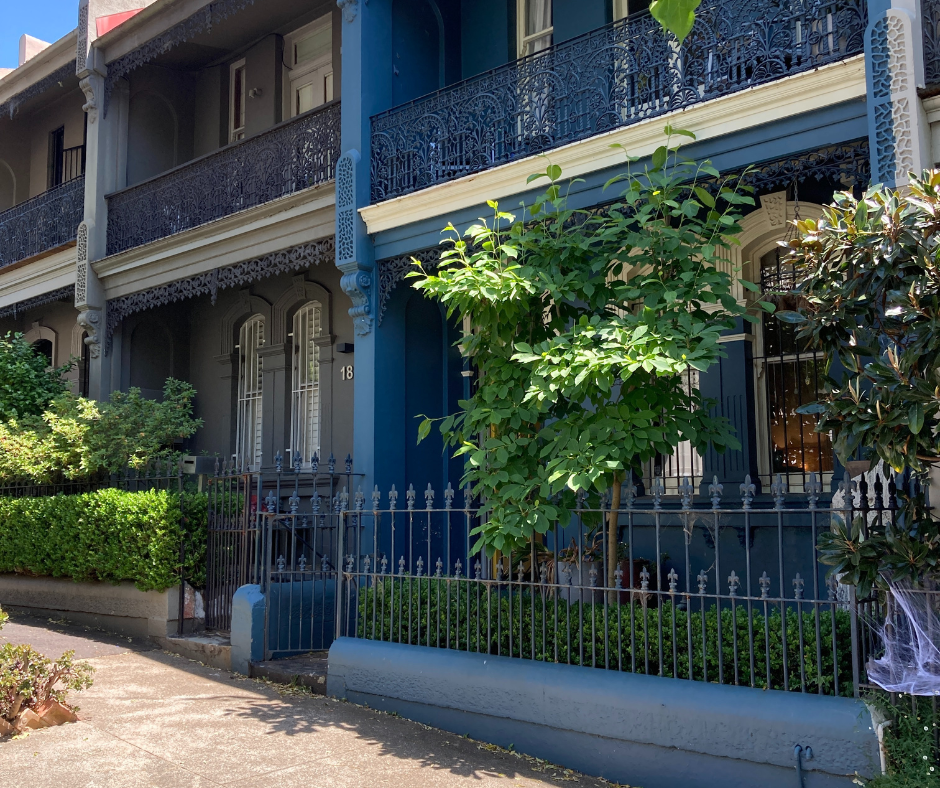
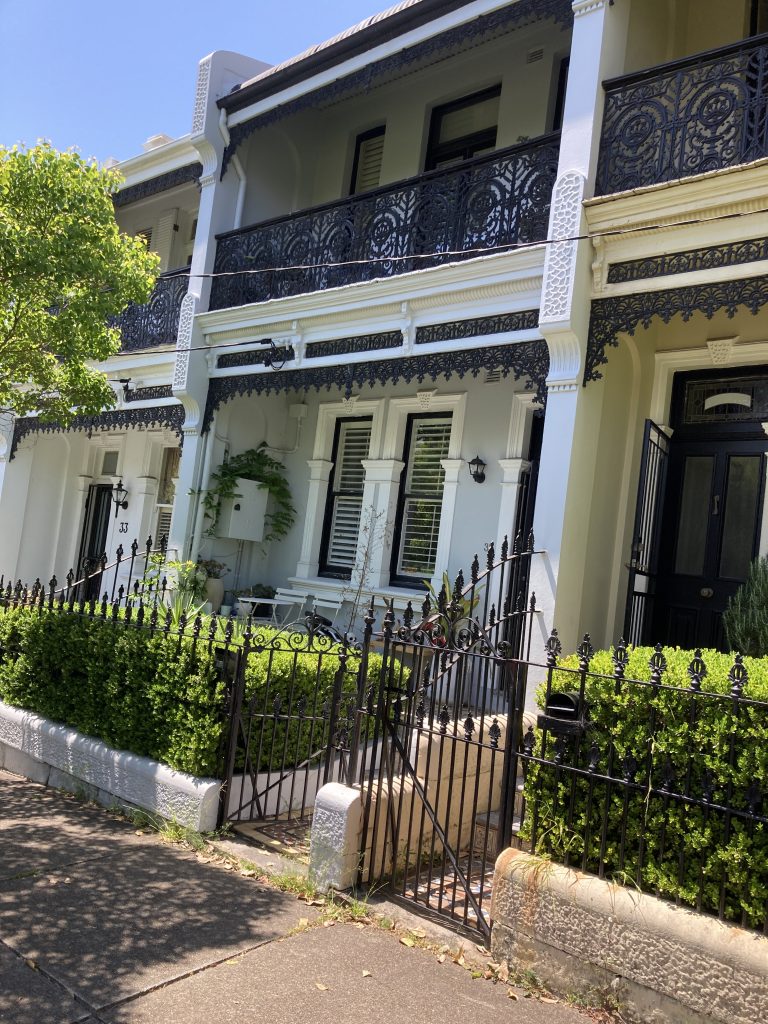
To preserve authenticity, frieze work should be thoughtfully coordinated with the balustrade panel design. In rows of adjoining terraces, it’s especially important to consider the continuity of design across neighbouring homes. A well-matched frieze not only enhances the individual property but also respects the visual language of the entire streetscape.
At JB Wrought Iron, we help homeowners select or reproduce frieze patterns that complement their balustrades and honour the original intent of the terrace row—ensuring every detail contributes to a cohesive and elegant restoration.
4. Paint or Powdercoat in the Correct Quality Coating
One of the key advantages of sand-cast aluminium is its compatibility with powder coating, allowing for a durable, colour-rich finish that enhances both appearance and longevity. However, not all powder coating systems are created equal.
Without proper pre-treatment and quality control, coatings can lose adhesion, fade prematurely, and compromise the integrity of your restoration—sometimes within just a few years. Unfortunately, many applicators cut corners by using low-cost systems with inadequate preparation to reduce price, resulting in finishes that fail to meet expectations.
At JB Wrought Iron, we never compromise on coating quality. We offer a range of powder coat finishes tailored to your location and your expectations for durability and gloss retention. From economical 10-year warranties to premium systems rated for 25 years, we help you select the right finish to ensure your metalwork remains vibrant and resilient for decades to come.
5. Powdercoat or Paint all Components Before Assembly
While it may seem economical to weld and assemble balustrade panels and rails in the workshop before applying a finish, this shortcut comes at a cost. Welding leaves visible seams that detract from the refined appearance of heritage metalwork. More critically, coating after assembly leaves hidden surfaces unprotected, creating vulnerable points where corrosion can begin.
The superior approach is to individually coat each component—using high-quality powder coating or paint—before on-site assembly. By employing mechanical fixings and joining methods instead of welding, we ensure:
- A clean, seamless appearance
- Full surface protection against corrosion
- Long-term durability that respects the value of your property
Though this method may involve slightly higher upfront costs, it delivers lasting performance and visual integrity—a wise investment for any restoration of distinction.
6. Structural Integrity and Building Code Compliance
New balustrades for Victorian terrace verandahs must comply with the National Construction Code (NCC), including the Building Code of Australia (BCA) and Australian Standard 1170.1. At JB Wrought Iron, every balustrade we supply is designed to meet or exceed these standards—without compromising on heritage authenticity.
Our balustrades incorporate slimline structural support stays that are securely tied into the verandah floor joists, ensuring strength and stability. We avoid outdated brace methods that simply screw into floorboards—these are not only structurally inadequate but also pose a trip hazard.
To meet the load requirements of the Australian Standard, we use custom-engineered rail fixing plates that anchor the top rail to the end walls with four fixing points at each end. This ensures both compliance and long-term durability, while maintaining the clean, elegant lines expected of a high-quality restoration.
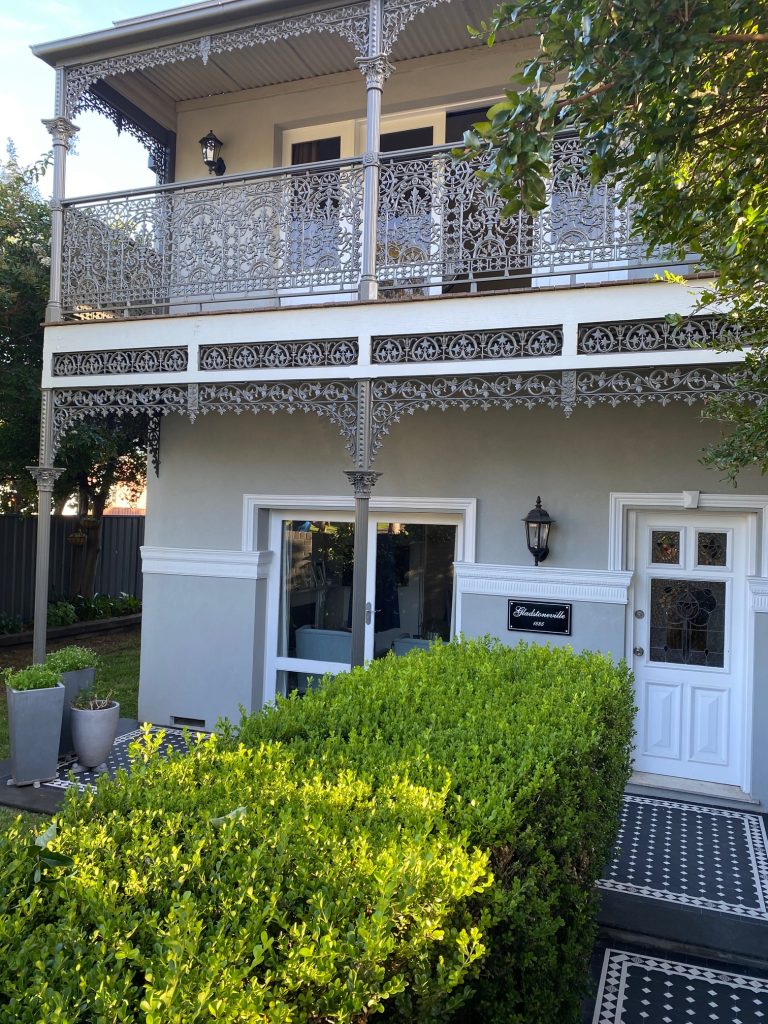
7. Aesthetically Correct Panel Layout
Cast panels used in balustrades and friezes are produced in fixed sizes by foundries, and it’s rare for these to fit perfectly within a verandah opening. Without careful planning, this can lead to awkward proportions and layouts that detract from the architectural integrity of the home.
At JB Wrought Iron, we begin each project with a custom CAD drawing, allowing us to determine the most visually balanced arrangement of panels. This ensures:
- Panels are cut only where appropriate, preserving design symmetry
- End spaces are adjusted for proportion and flow
- End posts are added where needed to achieve a cohesive look
While this level of detail involves a modest additional cost, it eliminates the risk of poorly laid out panels and ensures your restoration is executed with the precision and respect your terrace deserves.
Design Principles for Palisade Fences and Gates
1. Architecturally Correct
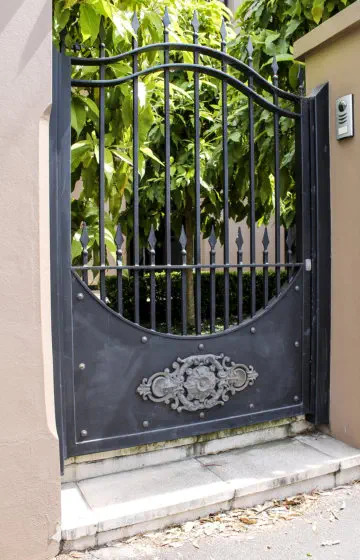
A terrace house palisade fence is the traditional type of fence used on Victorian terraces. They were originally hand made in puddled wrought iron by blacksmiths who paid great attention to the fine details. When replacing or reinstating these fences with replica work, JB Wrought Iron aim to make fences and gates that are virtually indistinguishable from the original wrought iron fences and gates. Attention to detail is what sets us apart from most others and while it costs more initially, it adds value to your terrace house.
Firstly, the design must be appropriate for the house and the streetscape. Terraces were often built in rows with each terrace having the same style of fence and gate. Using a fence style not in keeping with other nearby terraces not only will not be allowed by Council, but it will also detract from your property. Most terrace houses are either heritage listed or located withing heritage Conservation Areas (HCA’s). Installing the wrong design may attract unwanted attention from Council and neighbours who value the heritage of the area.
2. Design The Replica Work in CAD & Get the Fine Details Right
JB Wrought Iron always draws up every replica palisade fence in CAD. This ensures that proportions are correct for the site and all the fine details are included in the drawing, so our workshop avoids mistakes, and you know exactly what you are getting. This avoids some common mistakes such as incorrect spacings of fence pickets and incorrect heights of horizontal rails. Our CAD drawings usually include a short section of the adjoining properties, so you can see that it looks architecturally correct next to any adjoining property.
Our CAD drawings always include details for support stays, gate manufacture, methods of fixing rails into walls or terminating against posts. It’s amazing how much design detail there is in a high-quality replica fence.
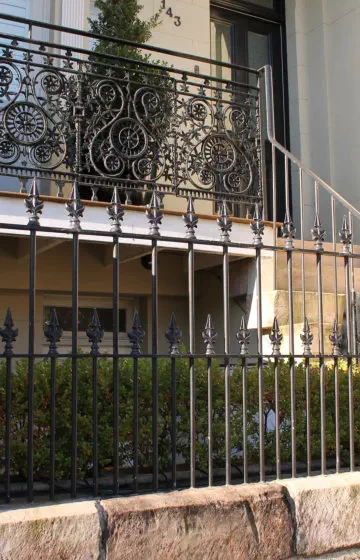
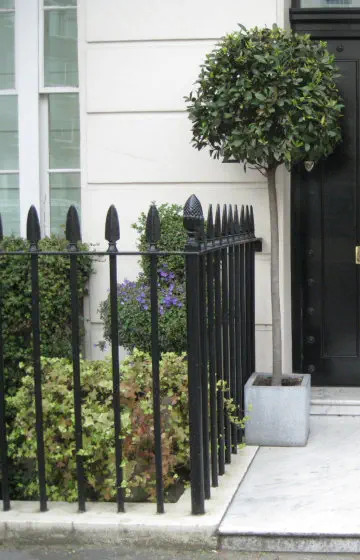
3. Only Use Solid Steel
Traditional palisade fences were always made from solid wrought iron with clean crisp lines. Modern tubular steel is never acceptable in replica work. Bulkier sections of tube steel with rounded edges looks very unauthentic. JB Wrought Iron always uses solid steel in the same sizes as the original work.
Gates feel solid and strong when made from solid steel and they close with that reassuring ‘clunk’ that only solid steel provides. A lightweight tube construction gate just doesn’t feel right to use.
4. Make it to last 100 Years With the Best Corrosion Protection
The original puddled wrought iron palisade fences and gates often last well over 100 years if well maintained. While for cost reasons, we only ever use genuine puddled wrought iron on jobs where a heritage order mandates it, we can achieve the same longevity using the modern metal of mild steel, provided it is hot dip galvanised after fabrication. The original wrought iron was not galvanised but it has much better corrosion resistance than steel. However, we expect our replica work to last indefinitely with hardly any maintenance besides repainting occasionally.
Galvanised steel plus a high-quality coating system (called a duplex system) is incredibly resistant to the weather and other corrosive factors
5. Use Only Sand Cast Finials (Spearheads)
Nothing makes a new palisade fence look cheaper than using tube steel with welded or low-quality die-cast finials. Historically, original palisade fences featured sand-cast metal finials made from cast iron. While we still use cast iron finials when required, our sand-cast aluminium replicas offer several advantages: they are visually identical to the originals, more cost-effective, require less maintenance, and provide a superior finish.
Unlike stamped steel or die-cast alternatives, sand-cast metal has a rich texture and depth, and these aluminium versions faithfully reproduce the original designs.
6. Always Individually Core Drill Each Fence Picket
Original palisade fences were assembled on site with each picket inserting into a pre-drilled hole in the sandstone plinth (the low hob type wall the fence sits on). After the picket was inserted, it was sealed in place by pouring molten lead into the hole. This is one of the most important design features of a high-quality replica fence. Setting the pickets into the plinth correctly requires great skill and experience.
For health and safety reasons we avoid using molten lead except where mandated by a heritage order. Instead, fixing each picket into the plinth with non-shrink grout is the preferred method now. The use of bottom rails or flat bars sitting on the plinth is never acceptable on a replica fence.
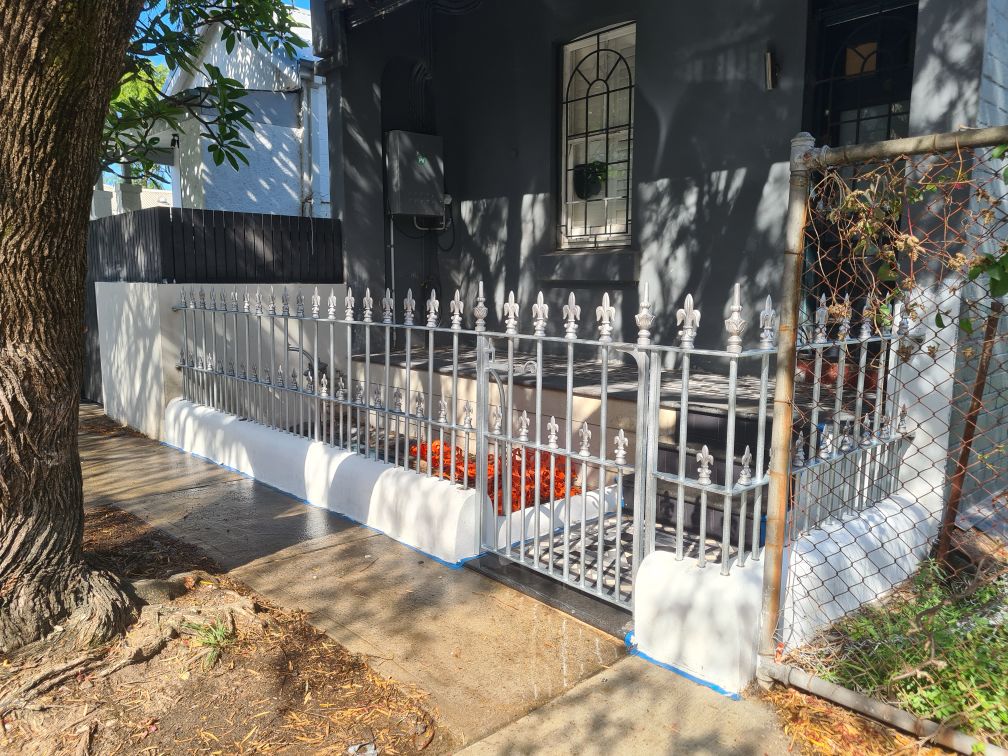
7. Avoid Visible Welding
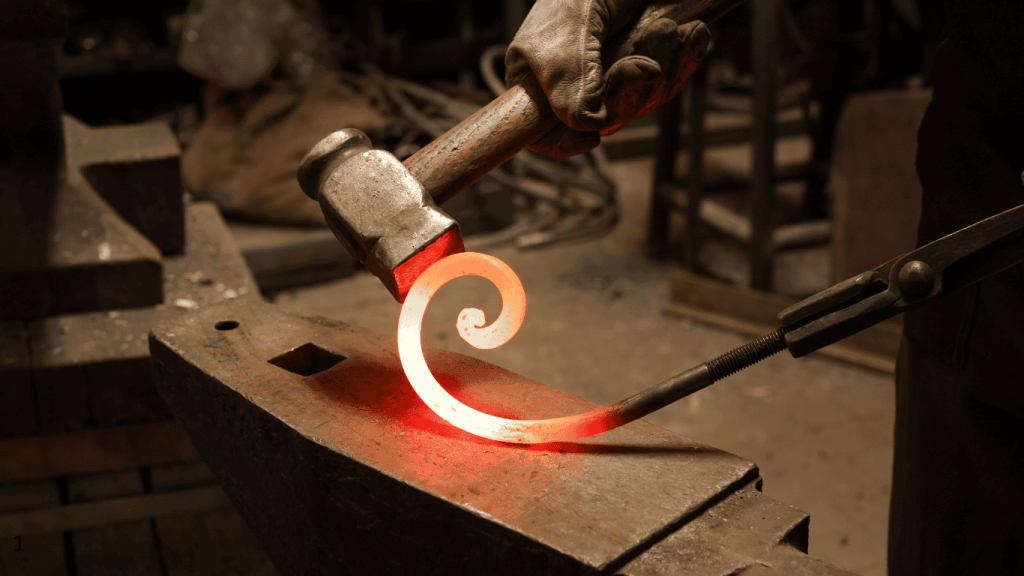
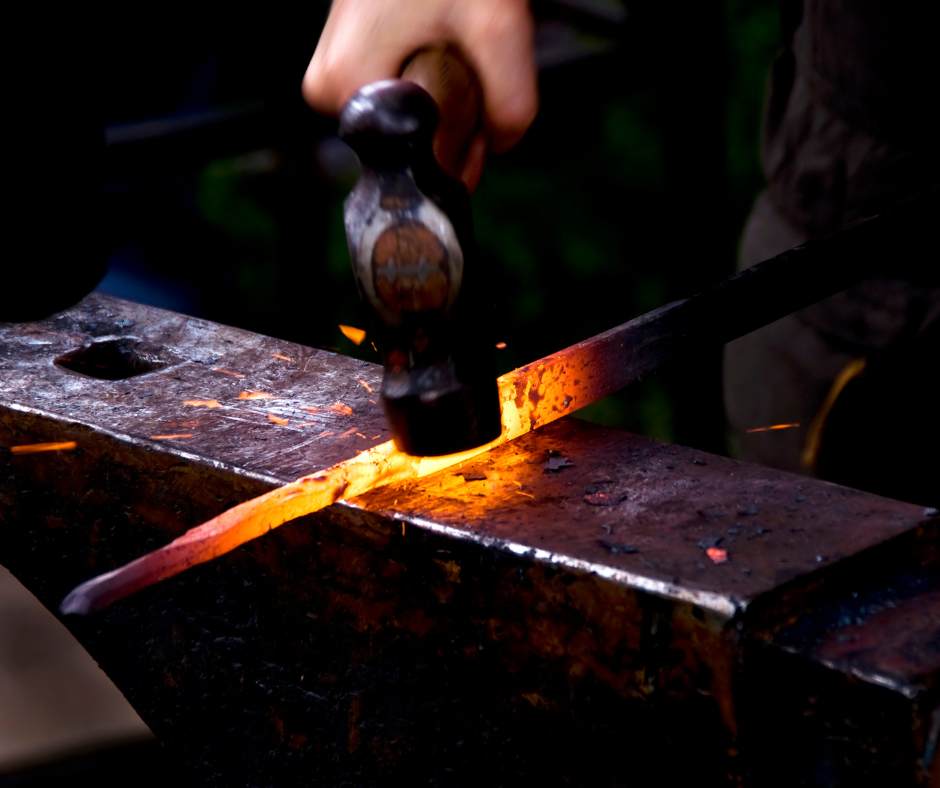
The original wrought iron palisade fences made by blacksmiths never used welding to join pieces of metal. Everything was joined using mechanical methods that resemble methods used for high quality cabinet making. Metals were hot riveted and mechanically joined using other traditional blacksmithing techniques.
While we occasionally make work this way on heritage jobs, the cost is prohibitive for general use. Instead, using innovative welding techniques, we achieve the authentic appearance but avoid unsightly visible weld beads.
8. Use the Right Finish Coatings
Although galvanised steel can be left in that grey finish, traditionally, palisade fences and gates were painted. Replica work should also be finished in a colour. There are 2 options. In our opinion, wet painting onsite after the galvanised replica work is installed is the superior method. Painting looks more authentic than the alternative process of powder coating. Powder coating is a fairly thick and very smooth finish that hides the texture of the metal substrate. It has a look that is ‘too perfect’ and in our opinion detracts from the appearance.
We always suggest the new work is brush painted and can provide a paint specification from Resene or Carboline Paints, so you can either paint the work yourself or engage a good painter to paint it following the specification we provide. If for some reason, your job must be powder coated, we can arrange that via the Vertikote, who are one of the best powder coating contractors in Australia. A huge range of powders is available and we will work with Vertikote to provide the correct specification coating for your location.